

Where to Find the Best Water Kefir Grain Sources: Your Friendly Guide
If you’ve ever wanted to dive into the world of homemade probiotics, water kefir is a fantastic place to start. It’s bubbly, refreshing, and packed with good-for-you bacteria that can boost your gut health. But here’s the catch - you need water kefir grains to get the magic going. These grains are the living culture that ferments your sugary water into a delicious, fizzy drink.
Now, if you’re wondering where to buy water kefir grains or how to find the best sources, you’re in the right spot. I’ve spent quite some time exploring the options, chatting with fellow fermenters, and gathering tips to help you get your hands on quality grains without any hassle. So, let’s jump right in and explore the top water kefir grain sources together!
Exploring Water Kefir Grain Sources: Where to Look First
When it comes to sourcing water kefir grains, you’ve got a few solid options. Each has its own charm and convenience, depending on what you’re after. Here’s a quick rundown of the most popular places to find these little probiotic powerhouses:
1. Local Fermentation Enthusiasts and Community Groups
One of the best ways to get authentic water kefir grains is through local fermentation communities. These groups often share or trade grains because they multiply over time. It’s a win-win - you get fresh grains, and someone else gets to try your homemade kombucha or sauerkraut in return.
Check out local farmers markets or co-ops where fermenters gather.
Join Facebook groups or online forums dedicated to fermentation in your area.
Attend workshops or classes on fermenting foods and drinks.
This approach not only helps you get started but also connects you with folks who can offer ongoing advice and support.
2. Online Marketplaces and Specialty Stores
If you prefer the convenience of shopping from home, there are reputable online sources that sell water kefir grains. Many sellers specialize in fermentation supplies and ship grains carefully to keep them alive and healthy.
Look for sellers with good reviews and clear instructions on grain care.
Some sites offer starter kits that include grains, sugar, and instructions.
Be sure to check shipping policies, especially if you live in a rural area where delivery might take longer.
Buying online is a great option if you don’t have local access to fermentation communities or want a quick start.

3. Health Food Stores and Natural Markets
Many health food stores and natural markets carry water kefir grains or can order them for you. These places often support local producers and small businesses, which fits perfectly with the spirit of homemade fermentation.
Ask the staff if they stock water kefir grains or know where to get them.
Some stores might have bulletin boards with local fermentation groups or grain swaps.
You might find other fermentation supplies like glass jars, sugar, and flavoring ingredients.
Shopping locally supports small businesses and keeps your money circulating in your community.
What Grains Are Used for Water Kefir?
Before you get your grains, it’s helpful to know what exactly you’re working with. Water kefir grains are not grains like wheat or rice. Instead, they’re a symbiotic culture of bacteria and yeast (often called SCOBY) that looks like tiny, translucent crystals or gelatinous clumps.
These grains feed on sugar dissolved in water, producing a naturally carbonated, probiotic-rich beverage. The main components include:
Lactobacillus bacteria - These friendly bacteria help ferment the sugar and create lactic acid.
Yeasts - They produce carbon dioxide, which gives water kefir its fizz.
Polysaccharides - These form the gelatinous matrix that holds the grains together.
Water kefir grains are quite resilient and multiply over time, so once you have a healthy batch, you can keep them going for years with proper care.
Tips for Choosing Quality Water Kefir Grains
Not all water kefir grains are created equal. When you’re ready to get your grains, here are some tips to ensure you’re starting with the best:
Look for live, active grains - They should be plump, translucent, and slightly sticky.
Avoid dried or powdered grains unless you’re experienced, as they can be tricky to revive.
Ask about the origin - Grains from a trusted source or community tend to be more reliable.
Check for clear care instructions - Good sellers provide guidance on feeding, fermenting, and storing.
Consider starter kits - These often include everything you need to begin, making the process smoother.
Remember, healthy grains make for tasty kefir!
How to Care for Your Water Kefir Grains
Once you’ve got your grains, taking care of them is pretty straightforward, but a little attention goes a long way. Here’s a quick care guide:
Feed regularly - Use sugar water (organic cane sugar or other natural sugars) to keep grains happy.
Use clean, non-chlorinated water - Chlorine can harm the grains.
Keep at room temperature - Around 68-78°F is ideal.
Rinse grains occasionally - Use filtered water to remove residue.
Store properly if not in use - You can refrigerate grains in sugar water for short breaks.
With a bit of love, your grains will thrive and multiply, giving you endless batches of delicious water kefir.
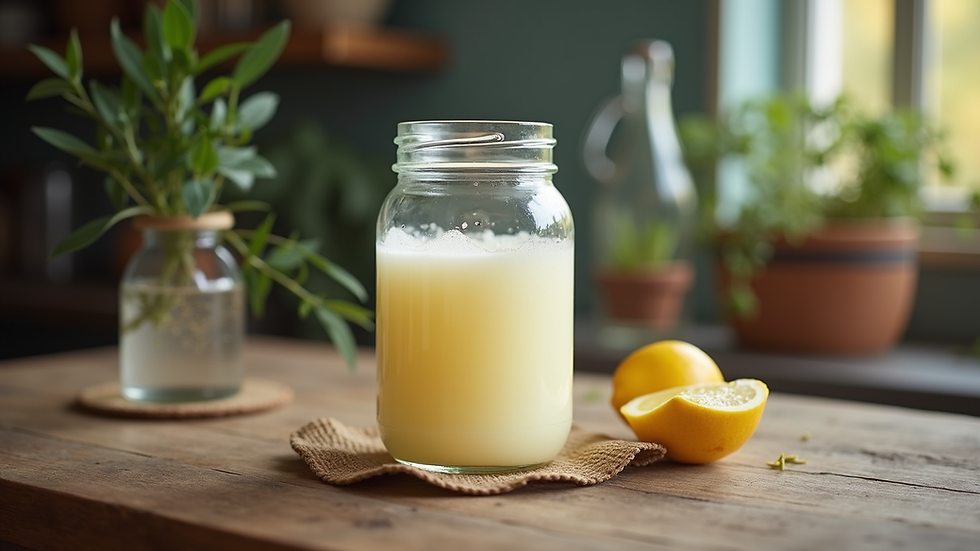
Where to Buy Water Kefir Grains Online: A Handy Reminder
If you’re ready to jump in and start fermenting, you can buy water kefir grains from trusted online sources that support small farms and local businesses. This way, you’re not only getting quality grains but also helping to build a community of rural artisans and makers.
Bringing It All Together: Your Water Kefir Journey Starts Here
Finding the right water kefir grain sources is the first step toward enjoying homemade probiotic drinks that are both tasty and nourishing. Whether you connect with local fermenters, explore health food stores, or shop online, there’s a perfect option waiting for you.
Remember, water kefir is more than just a drink - it’s a little piece of tradition, a nod to simpler times, and a way to support the small farms and local businesses that make rural life so special. So, grab your grains, get your jars ready, and let the fermentation fun begin!
Happy fermenting!


Comments